
Lab Tips for Anterior Cases Involving Two or More Teeth
Multi-unit anterior work rewards preparation. From pre-op records and bite registration to impressioning, shade, photography, draw, and implant componentry — a field guide for predictable results.
SKDLA Technical Team
Master Ceramists & Technicians

Before Numbing the Patient
- Take an impression for a pre-op full-arch study cast.
- Take full-face and close-up smile photos with lips unretracted and teeth slightly apart, to show the occlusal plane and incisal length in relation to the lips.
- Discuss the improvements to be made with the patient, and note the changes on the laboratory work order.
- Send a study model of the teeth as photographed.
Bite Registration
Send a centric occlusion bite registration for all cases (quadrant, full arch, or triple tray). Take the registration with a firm material over the preparations only — material placed over non-prepped teeth will hide your view of centric occlusion. We recommend a firm vinyl polysiloxane. Do not use wax or acrylic bite materials.
Impressioning
- Subgingival — Pack dual cord around all subgingival margins. The impression must capture tooth structure below the margin so margins can be identified on the stone cast. Cordless techniques are for supra-gingival margins only.
- Before impressioning, polish rough proximal contacts.
- Quadrants — Quadrant impressions should include anteriors to the midline.
- Inspect all impressions carefully under high magnification to confirm accuracy.
Shade Taking
Take the shade at the beginning of the appointment while teeth are fully hydrated. When photographing, position the shade tab so the incisal edge of the tab opposes the incisal edge of the tooth. See our companion post, Shade Accuracy Guidelines for Restoration, for more.
Photography
Provide photos for any restorations requiring color characterizations. Quality smartphone photos are acceptable.
Draw
Check for overhanging proximal teeth that prevent proper draw — especially in the lower arch where an excessive Curve of Spee may be present. Adjust contacts as necessary to facilitate the draw of the bridge or crown.
Veneers & Thin All-Ceramic Restorations
Take a prep shade so the ceramist can determine the level of porcelain opacity needed to achieve the finish shade. When selecting an all-ceramic crown, a material with adequate opacity is indicated to mask darker stump shades.
Implants & Simplicity for Your Practice
If you're unsure which abutments, healing abutments, or componentry to use, please call us. We stay abreast of the latest products and techniques from Nobel Biocare, Zimmer Biomet, Straumann, BioHorizons, Astra, and all manufacturers.
We're most helpful when included early in case planning with the restoring dentist, surgeon, and technician team. If that's not possible, provide an impression at the level of the implant fixture — we can loan you a torque driver for proper delivery of the custom abutment and restoration.
Keep reading
Related from the journal
 Clinical Technique
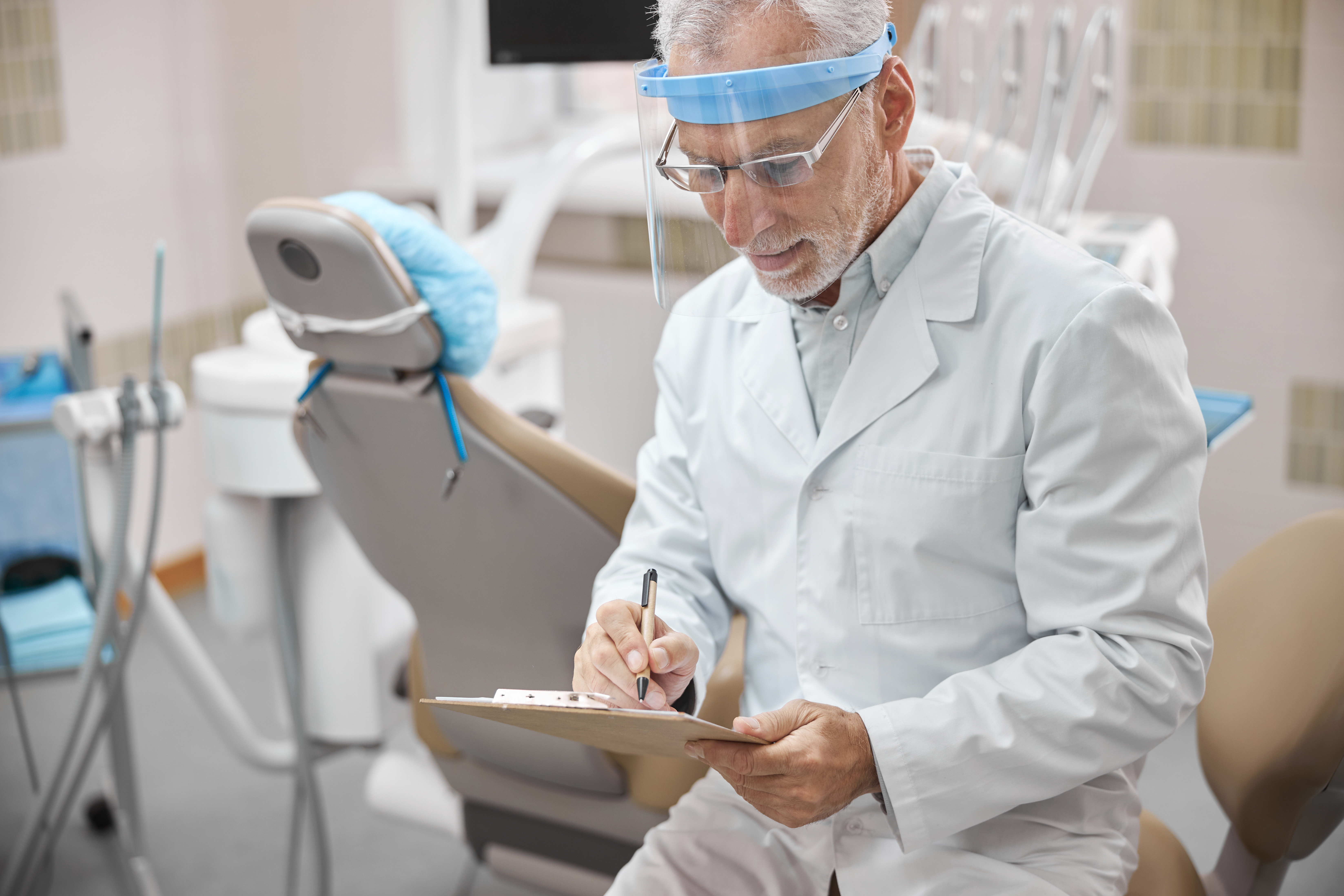
Full Mouth Rehabilitation Treatment Plan
A carefully planned workflow — in the clinic and the lab — is what makes full-mouth rehabilitation predictable. From clarifying goals and facebow transfer to the diagnostic wax-up and prep-day bite sequencing.
Read article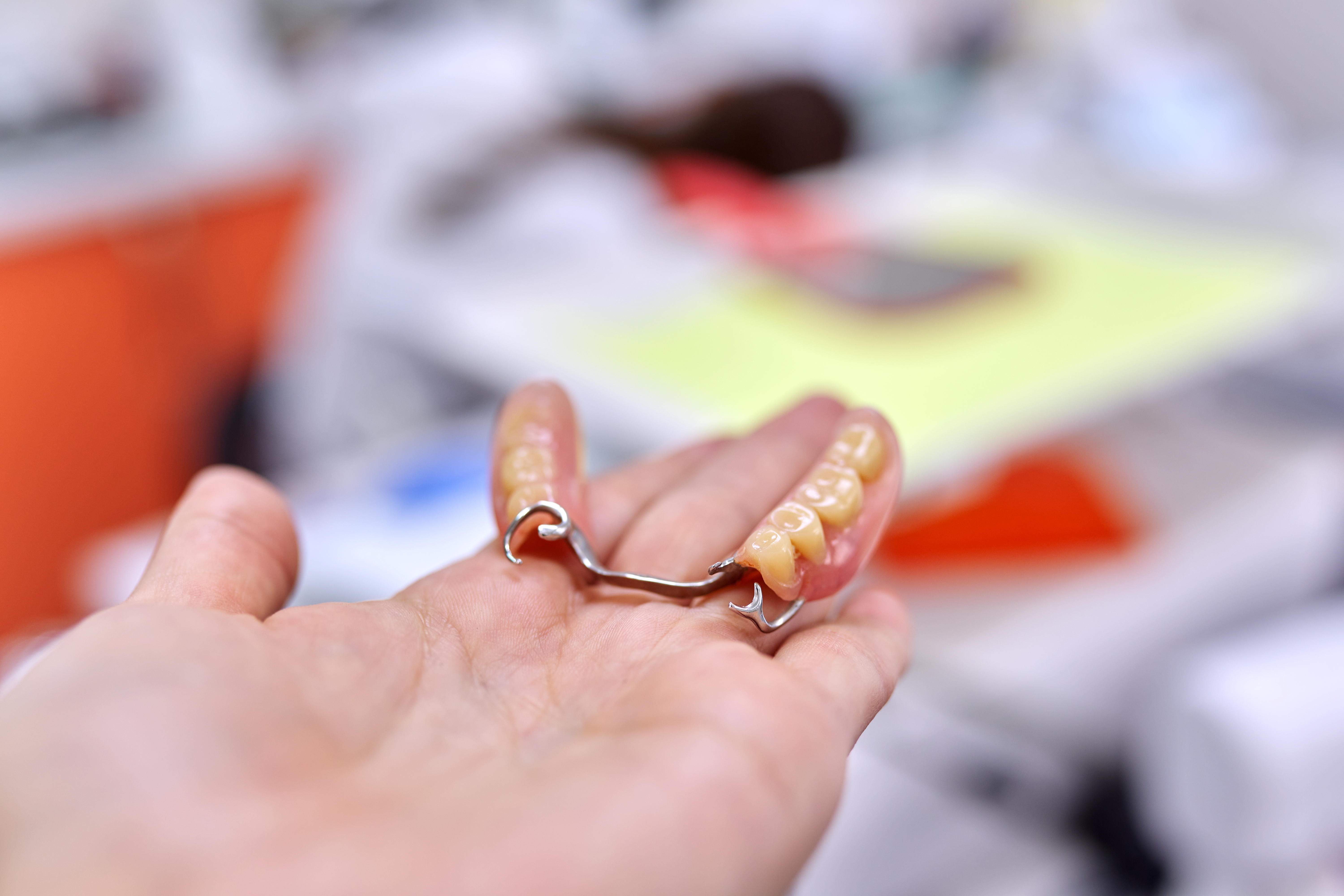 Removables
Clasp Adaptation — Without Sending the Partial Denture to the Lab
When a patient can't part with their partial, you can still adapt a new crown to the existing clasp and rest. A chairside indexing technique using a heavy-bodied PVS or polyether.
Read article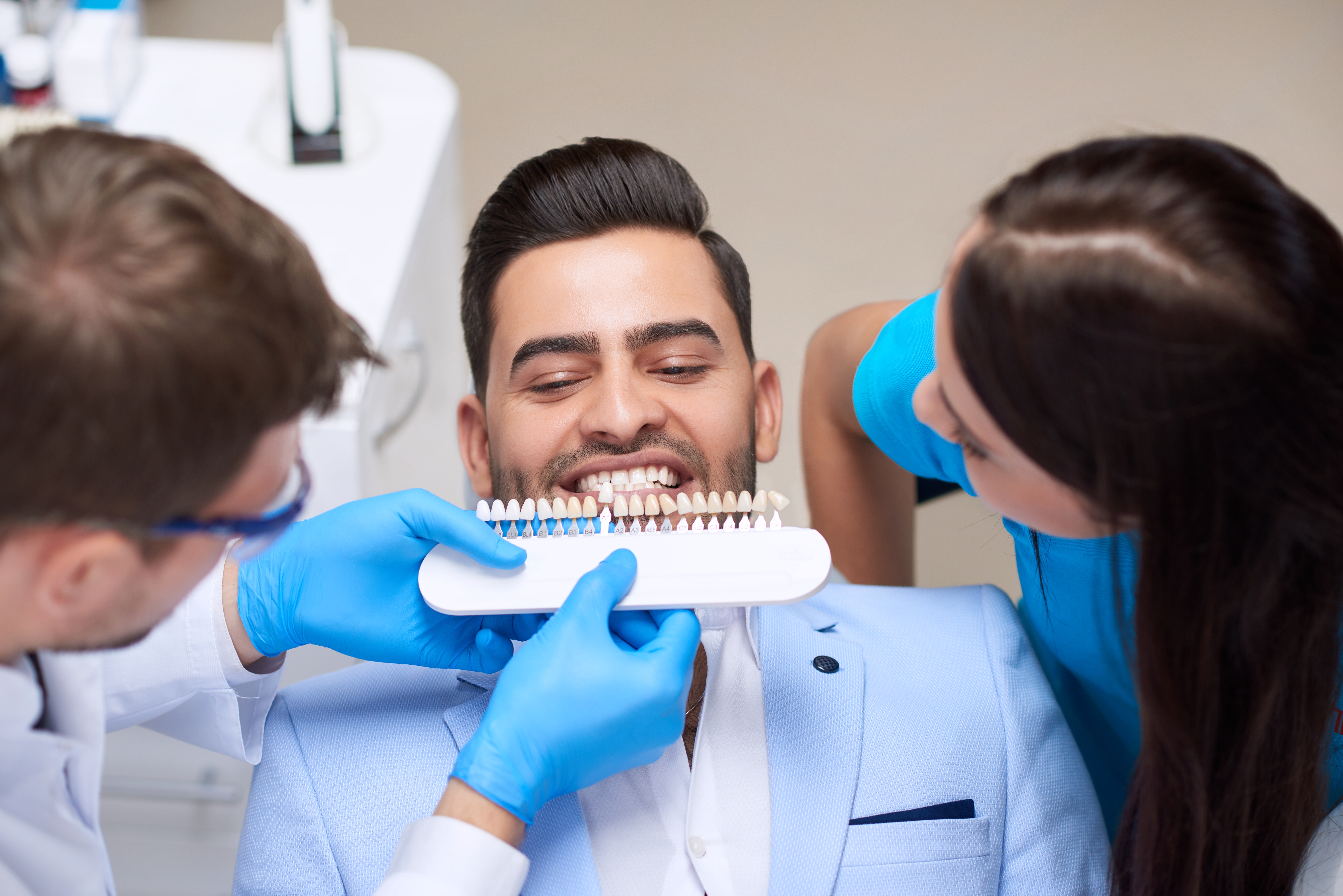 Esthetics
Shade Accuracy Guidelines for Restoration
A few must-follow guidelines make a world of difference in a patient's smile. From bleaching timelines to hydration and reflected light, here's how to capture a shade that looks completely natural.
Read article