
Veneers Case Study
Porcelain veneers restore more than teeth — they restore a smile and a patient's confidence. A practical walkthrough of models, preparation depth, bonding, and shade communication for predictable all-ceramic results.
da Vinci Studios
High-Esthetic Veneer Specialists
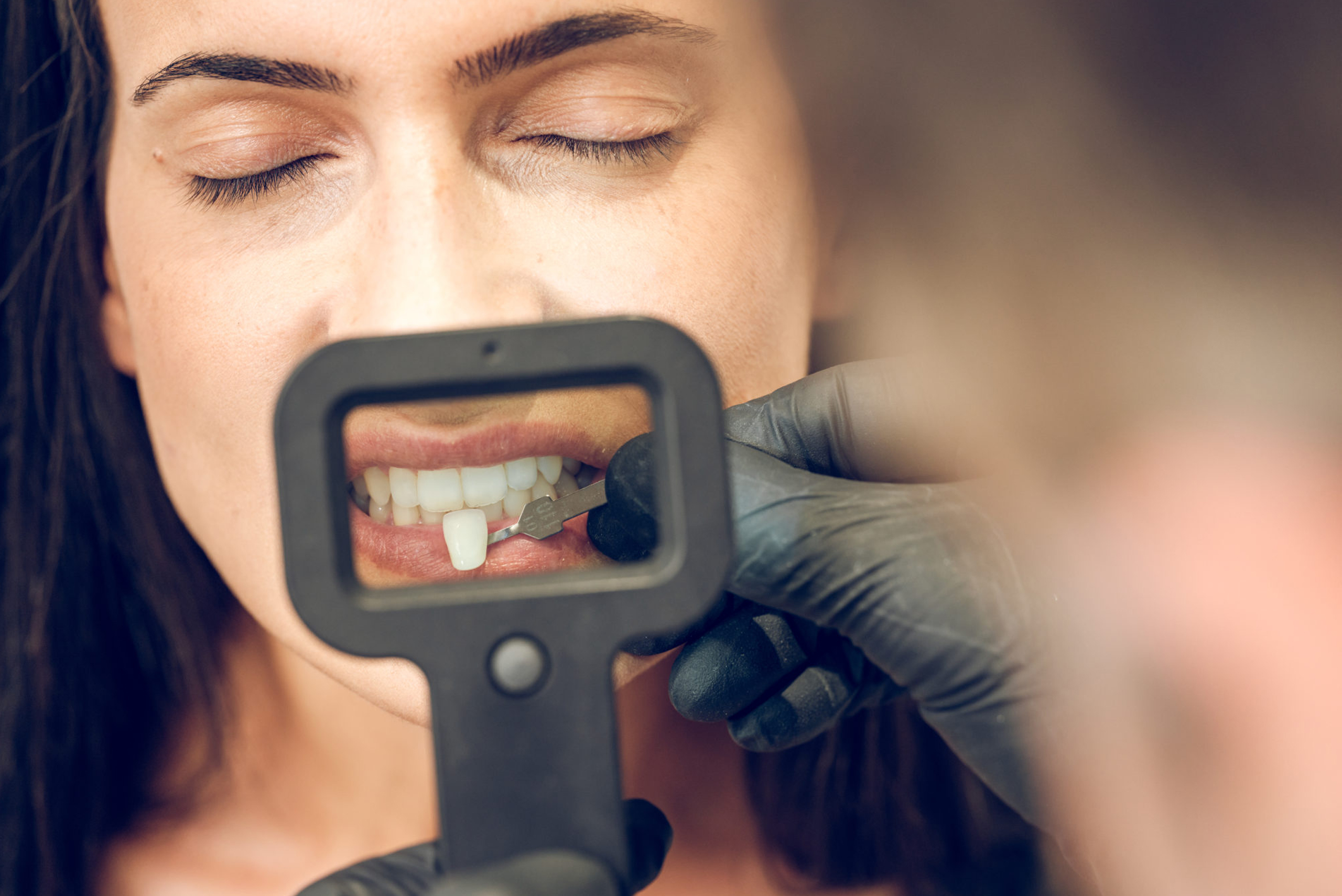
Porcelain veneers are often the preferred restorative choice for patients seeking very aesthetic anterior treatment. A successful case not only restores the treated teeth but often has the added benefit of restoring a smile — and the patient's self-confidence.
Because we are making all-ceramic restorations every day, we're able to share tips and information that help ensure successful results for your patients. The following covers a range of subjects, from basic to advanced. All are important for the ultimate success of an all-ceramic restoration — though some suggestions may not necessarily apply to every case.
Models
Pre-op, post-op, diagnostic wax-ups, and acrylic mock-ups are all helpful in communicating proper incisal edge position, contour, and basic morphology. Providing models with this essential information ensures that we meet the patient's expectations.
Allow us to create beautiful diagnostic wax-ups to present to your patient, along with a putty matrix for temporaries fabrication.
Veneer Preparations
Labial veneer — color and prep depth. Provide a shallow chamfer margin at the gingival and proximal margins. Prep depth should be 0.75–1.0 mm to provide space to block out tooth color that is too dark or too light. If the stump shade matches the desired restoration color, only 0.5 mm of reduction is needed. Provide 1.5 mm incisal reduction.
Diastema closure. Increased proximal preparation allows proper contour. Inadequate preparation does not permit proper transitional contour after closure of the diastema.
Preparation Design
- Depth — Dark stump shades require deeper preparation (0.75–1.0 mm) so the ceramist can build the first layer of blocking porcelain (opaceous dentin) and still have room for the surface layers of translucent porcelain. Preps with stump shades that closely match the desired finished shade can be prepped more conservatively (0.5 mm).
- Margin — Shallow chamfer margins enable the best results. Thin slices or bevels don't hold up well to the mechanical etching (sandblasting) and chemical etching (hydrofluoric acid) processes required to fabricate this type of restoration.
Bonding
A word of caution: check material expiration dates carefully and use only fresh bonding materials. Debonding, breakage, and discoloration are often traceable to old silane primer and, occasionally, to out-of-date bonding resins. A recurring debond problem is usually caused by a contaminated tooth interface — pumice and re-etch should solve this.
Communicate Shade
Provide photos before and after preparation. Select the shade tabs that match the pre-op tooth and post-op preps (stump shade). Position the shade tabs so they are visible in the photo with the tooth and/or prep.
Nothing communicates shade and characterization better than photographs.
Keep reading
Related from the journal
 Clinical Technique
Lab Tips for Anterior Cases Involving Two or More Teeth
Multi-unit anterior work rewards preparation. From pre-op records and bite registration to impressioning, shade, photography, draw, and implant componentry — a field guide for predictable results.
Read article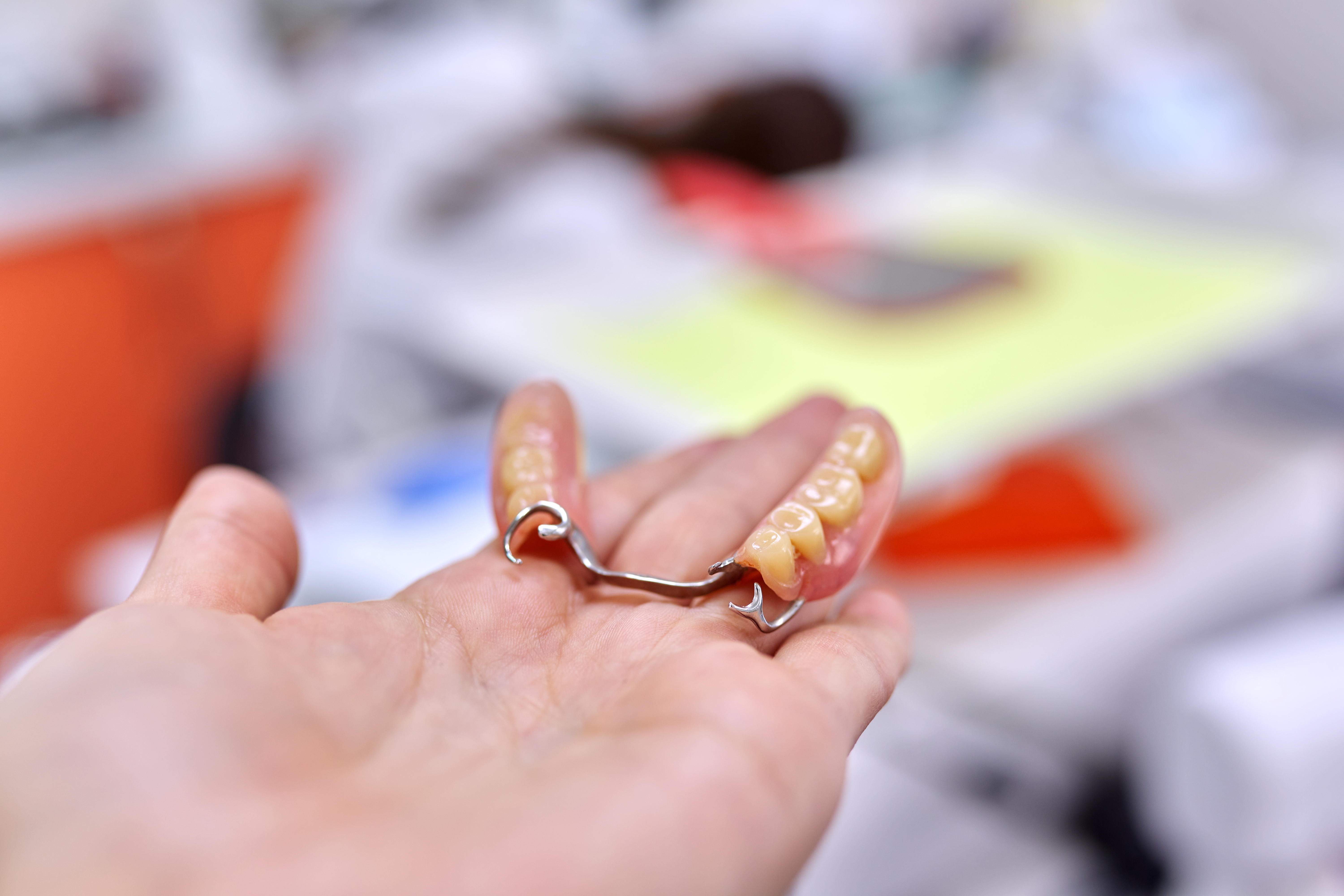 Removables
Clasp Adaptation — Without Sending the Partial Denture to the Lab
When a patient can't part with their partial, you can still adapt a new crown to the existing clasp and rest. A chairside indexing technique using a heavy-bodied PVS or polyether.
Read article Clinical Technique
Full Mouth Rehabilitation Treatment Plan
A carefully planned workflow — in the clinic and the lab — is what makes full-mouth rehabilitation predictable. From clarifying goals and facebow transfer to the diagnostic wax-up and prep-day bite sequencing.
Read article